

MEANING
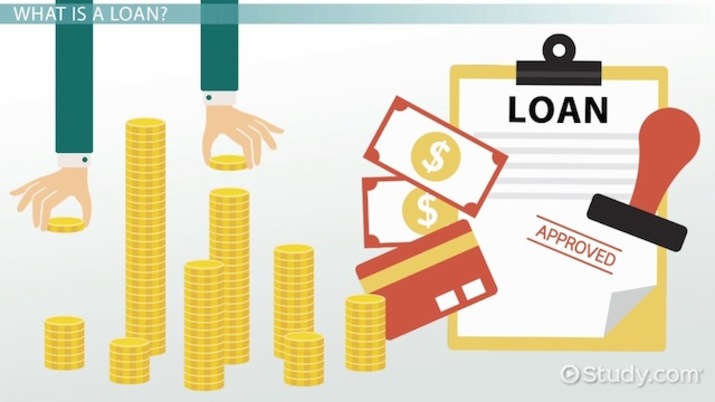
A loan is when a person, business, or government gives money to another person or business with the expectation that it will be paid back. Usually, the borrower has to repay the original amount (called the principal) plus extra charges or interest. Loans can be a one-time amount or an open line of credit with a set limit. Loans are commonly used for many purposes, such as buying a home, or car, or funding a business. Read more about licensed money lender Singapore
UNDERSTANDING THE PROCESS
Loans are a form of debt. A lender, often a bank or financial institution, gives money to a borrower who agrees to repay it under specific terms, such as interest rates and repayment dates. Sometimes, lenders require collateral (something valuable like property) to secure the loan in case the borrower can’t repay.
When someone needs a loan, they apply by providing details about their financial situation, such as their income, credit score, and the reason for the loan. Lenders then review this information to see if the borrower can afford the loan. Based on this, the lender may approve or deny the loan request. If approved, both parties sign an agreement that explains the loan’s terms, and the borrower begins making repayments, which include interest and fees.
TIPS FOR GETTING A LOAN
To qualify for a loan, borrowers should show they are financially responsible. Lenders consider:
- Income: High and stable income reassures lenders that payments will be made consistently.
- Credit Score: A good credit score shows the borrower has a history of repaying debts on time.
- Debt-to-Income Ratio: This compares the borrower’s debt to their income to ensure they can handle more debt.
To improve chances of getting a loan, pay down existing debts, make payments on time, and avoid unnecessary new debts. A good credit score can also help secure lower interest rates.
TYPES OF LOANS
Loans can be secured or unsecured:
- Secured Loans: Backed by collateral, like mortgages or car loans, where the property can be taken if the borrower doesn’t pay.
- Unsecured Loans: Not backed by collateral, like credit cards, which usually have higher interest rates because they are riskier for lenders.
Loans can also be revolving (such as credit cards) or term loans (such as car loans) with fixed payments over a set period.
INTEREST RATES AND LOAN COSTS
Interest rates directly impact how much a loan costs. Higher rates mean larger monthly payments or a longer repayment period. For example, a $5,000 loan with a 4.5% interest rate over five years would require a monthly payment of around $93, but with a 9% rate, the monthly payment would be about $104.
REDUCING LOAN COSTS
Paying more than the minimum payment helps reduce loan costs by cutting down the interest paid over time. However, some loans have penalties for early repayment, so it’s essential to check for these fees before paying off a loan early.
CONCLUSION
Loans are fundamental to modern finance, enabling people to make big purchases and helping businesses grow. By lending money with interest, lenders can support economic activities while being compensated for their risks.
