

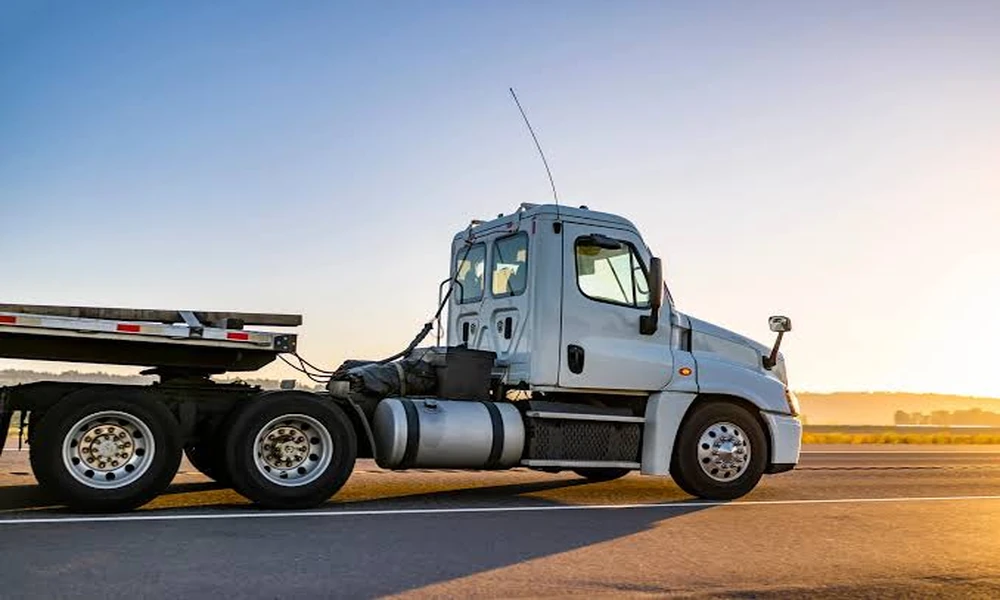
Running a trucking business involves much more than transporting goods from one destination to another. Every delivery comes with responsibilities involving driver safety, vehicle maintenance, customer expectations, and financial management. A single road accident can create unexpected expenses, legal complications, and operational disruptions that threaten business stability. This makes insurance an essential part of responsible fleet management. Trucking liability insurance provides financial protection against certain third-party claims, helping transportation companies manage risks while maintaining their long-term business objectives.
Protecting Business Finances Against Unexpected Claims
Commercial vehicles work in areas where collisions can cause significant property damage and fatalities. Even experienced drivers following established safety procedures cannot eliminate every potential risk. Weather conditions, traffic congestion, mechanical problems, and unpredictable road situations can contribute to collisions.
Trucking liability insurance helps cover eligible expenses arising from accidents for which the insured trucking business is legally responsible. Depending on the policy, these expenses may include third-party bodily injury claims, property damage, and associated legal defense costs.
Without adequate protection, a significant liability claim could consume operating reserves, interrupt business investments, or create financial difficulties. Appropriate insurance coverage allows companies to manage these potential expenses more effectively.
Maintaining Financial Stability During Operational Challenges
Trucking companies must continuously manage fuel expenses, equipment maintenance, employee compensation, financing obligations, and other operating costs. Unexpected liability claims can place additional pressure on an already demanding financial structure.
Insurance helps businesses prepare for certain financial uncertainties by transferring covered risks to an insurance provider. Rather than relying entirely on available cash reserves to address eligible claims, companies can use their insurance protection within established policy limits.
However, insurance does not eliminate every financial responsibility. Deductibles, exclusions, and expenses exceeding coverage limits may still affect the business. Understanding these conditions helps trucking operators develop realistic financial plans and maintain sufficient emergency reserves.
Supporting Regulatory Compliance and Business Credibility
Commercial trucking businesses operate under insurance requirements that vary according to their operations, vehicle types, cargo, and applicable regulations. In the United States, certain interstate motor carriers must maintain minimum levels of financial responsibility established by federal regulations.
Maintaining appropriate coverage helps businesses meet applicable requirements while demonstrating responsible operational practices. Insurance documentation may also be requested by freight brokers, shippers, and commercial partners before transportation agreements are finalized.
For trucking companies seeking long-term contracts, maintaining suitable insurance coverage can support credibility. Customers generally want transportation partners capable of handling their responsibilities and responding appropriately when unexpected incidents occur.
Choosing Coverage That Reflects Actual Business Risks
Not every trucking company faces identical risks. An independent owner-operator transporting general freight may have different insurance needs from a large fleet carrying specialized equipment or hazardous materials.
Business owners should evaluate their routes, vehicle values, cargo categories, operating authority, and contractual responsibilities before selecting insurance coverage.
Primary auto liability insurance generally addresses covered third-party injury and property damage claims arising from vehicle operations. Other policies, including motor truck cargo insurance, physical damage insurance, and general liability coverage, may address different exposures.
Combining suitable insurance policies helps businesses develop broader protection. Reviewing coverage regularly also allows operators to respond to changes in fleet size, business activities, and customer requirements.
Reducing Business Interruptions After Accidents
An accident can affect more than the vehicle involved. Deliveries may be delayed, customers may require updates, and management teams may need to address investigations or legal proceedings.
Having appropriate insurance can make the claims process more manageable. Insurers may provide access to claims professionals, legal representation, and other resources depending on policy provisions.
However, liability insurance generally does not cover lost business income or vehicle repairs automatically. Additional protection may be necessary to address these concerns. A comprehensive risk management strategy combines insurance with emergency planning, maintenance schedules, and clear accident reporting procedures.
Creating Opportunities for Sustainable Business Growth
Expanding a trucking operation requires careful financial decisions. Purchasing additional vehicles, hiring drivers, and accepting larger transportation contracts introduce new responsibilities and potential liabilities.
Appropriate insurance protection supports expansion by helping business owners manage financial exposure as operations become more complex. Companies should reassess coverage limits whenever they add vehicles, enter new markets, or transport different types of freight.
Finding coverage gaps and coordinating insurance choices with corporate objectives can be facilitated by working with knowledgeable insurance specialists.
Conclusion
Long-term success in trucking depends on maintaining financial resilience, operational reliability, and responsible risk management. Trucking liability insurance plays an important role by protecting businesses against eligible third-party claims and supporting compliance with applicable requirements. When combined with safe driving practices, preventive maintenance, and thoughtful financial planning, suitable insurance coverage creates a stronger foundation for sustainable growth and continued business stability.
