

Key Takeaways
- Stop the “Phantom Drain”: Devices on standby are silent budget killers that inflate your bill every single month.
- Master the Clock: Using power-hungry appliances during off-peak hours is the easiest way to slash costs without changing your lifestyle.
- Tune Up to Save Up: Clean filters and well-maintained seals ensure your appliances aren’t working overtime on your dime.
Introduction
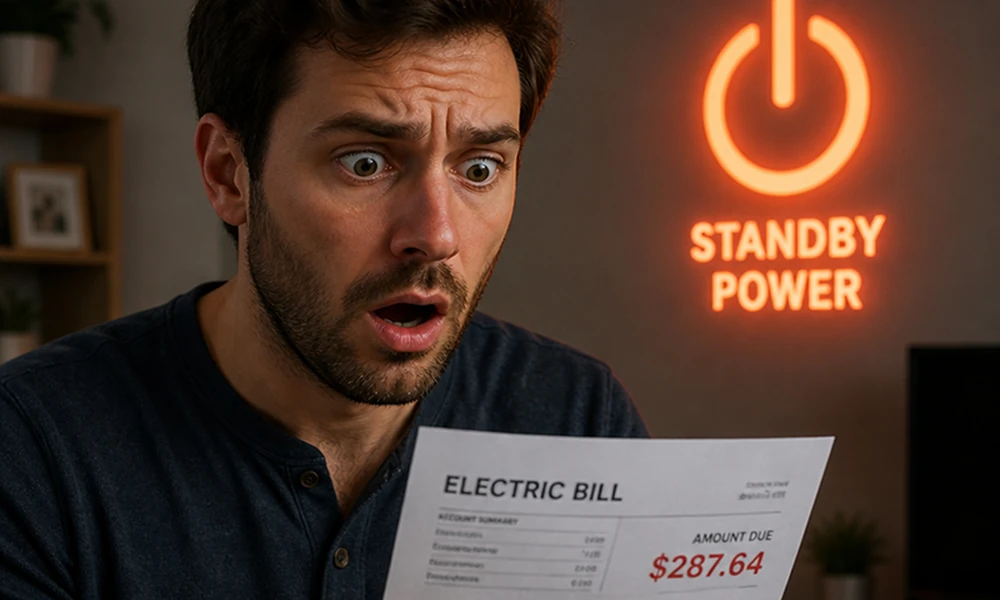
We’ve all been there: you open your utility bill, eyes widen, and you wonder, “How on earth did I use that much electricity?” It’s a common frustration, but here’s the good news-you don’t have to just accept it. Most of the time, those nasty bill surprises aren’t caused by one big mistake, but rather a dozen tiny, invisible habits. Learning the cheapest time to use electricity is your first step toward financial freedom. By making a few smart adjustments to your daily routine, you can take back control of your budget and stop those “bill shocks” for good. Let’s dive into the most common culprits and how you can fix them today!
The Hidden Cost of Standby Power
Did you know your coffee maker and TV are likely eating into your savings even when they’re “off”? This is called “phantom load,” and it’s a major reason for unexpectedly high bills. Electronics left on standby continue to sip power 24/7. While it might only be a few cents a day per device, when you multiply that by every gadget in your home over a year, you’re looking at a significant sum of money wasted on literally nothing. To get serious about electricity-saving, try these simple hacks:
- Use smart power strips that cut power to peripherals when the main device is off.
- Unplug chargers and small kitchen appliances when they aren’t in use.
- Set your computers and game consoles to “Eco” or “Power Saver” modes.
Maximising Efficiency Through Timing
The “when” is just as important as the “how.” Many people don’t realize that electricity costs can fluctuate based on demand. Running your dryer, dishwasher, or water heater during peak hours is like buying groceries when prices are doubled. By discovering the cheapest time to use electricity, usually late at night or during weekends, you can do the exact same chores for a fraction of the price. Try shifting your laundry schedule to Saturday mornings or setting your dishwasher timer to run after midnight. This simple shift in timing is one of the most effective strategies for a lower bill without actually using less power.
The Impact of Poor Appliance Maintenance
Think of your appliances like a car-if you don’t change the oil, it burns more fuel. In your home, an Air Conditioning (AC) unit with a dust-clogged filter is a massive energy hog. It has to pull significantly more power just to keep you cool. Similarly, if your fridge has a leaky seal, it’s constantly fighting to stay cold, which means its compressor never gets a break. This is where proactive electricity-saving comes into play. Regular cleaning and annual servicing don’t just lower your monthly bill; they also prevent expensive breakdowns and extend the life of your gear.
Mindful Consumption Habits
At the end of the day, saving money on utilities is a team sport. Small, mindful habits across the whole family add up fast. Closing the curtains during the hottest part of the day to keep the sun out, or choosing a fan over the AC when it’s just mildly warm, can make a huge dent in your consumption. Most providers now offer apps or online portals where you can track your hourly usage. Gamify it! Challenge your household to see if you can lower your usage week-over-week. When you see the direct link between your habits and your bank balance, staying efficient becomes much more rewarding.
Frequently Asked Questions (FAQ)
Q: What is the single biggest energy consumer in most homes?
A: Typically, cooling and heating systems (like AC) and water heaters are the biggest contributors to your utility costs.
Q: Does turning appliances on and off use more power than leaving them on?
A: For modern electronics, it is almost always better to turn them off. The “surge” of turning them on is negligible compared to the hours of standby drain.
Q: How often should I clean my AC filters?
A: For peak efficiency and better air quality, aim to clean your filters every two to four weeks.
Unexpectedly high bills are a wake-up call, not a life sentence. By mastering the cheapest time to use electricity, tackling phantom power, and keeping your appliances in top shape, you can significantly shrink your carbon footprint and your expenses. It’s all about working smarter, not harder. Start small, track your progress, and enjoy the peace of mind that comes with a predictable, manageable utility bill. You’ve got this!
Contact Keppel Electric to learn more about our energy-efficient solutions and how you can start saving on your bills today.
